
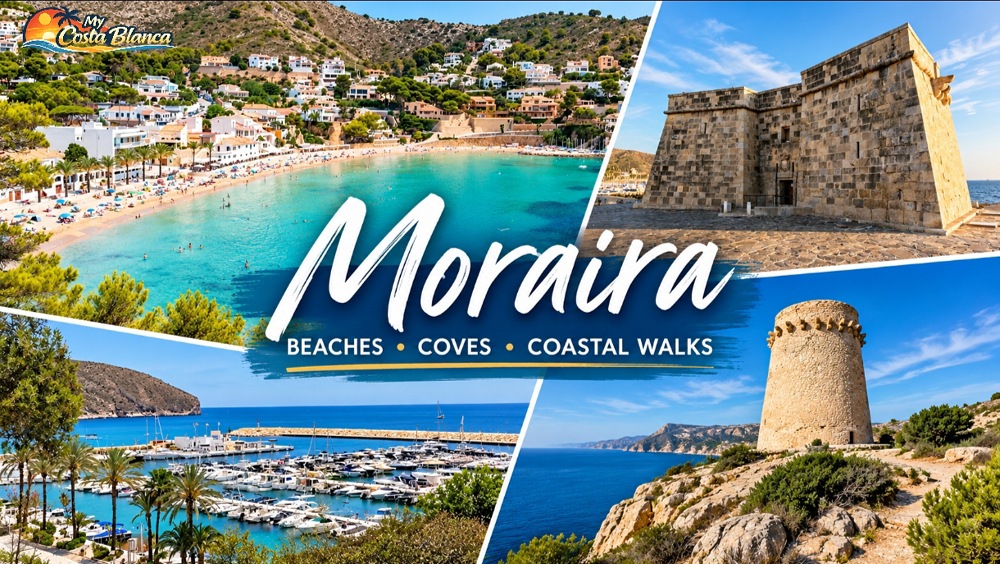
Some places on the Costa Blanca are known for their nightlife, others for their long beaches or historic old towns. Moraira offers something a little different: a traditional fishing harbour, small Mediterranean coves, coastal walking trails and a town centre that is easy to explore on foot.
Located in the Marina Alta area of Alicante province, between Calpe and Jávea, Moraira is part of the municipality of Teulada-Moraira. It has a more low-rise, relaxed feel than some of the larger resorts along the coast, making it a popular choice for visitors who prefer seaside restaurants, swimming spots and scenic walks to busy nightlife districts.
There is more to discover here than a pretty beach, too. A historic coastal fortress, a hilltop watchtower and the vineyards around inland Teulada give the area a character of its own.
1. El Portet: Moraira’s Beautiful Little Bay
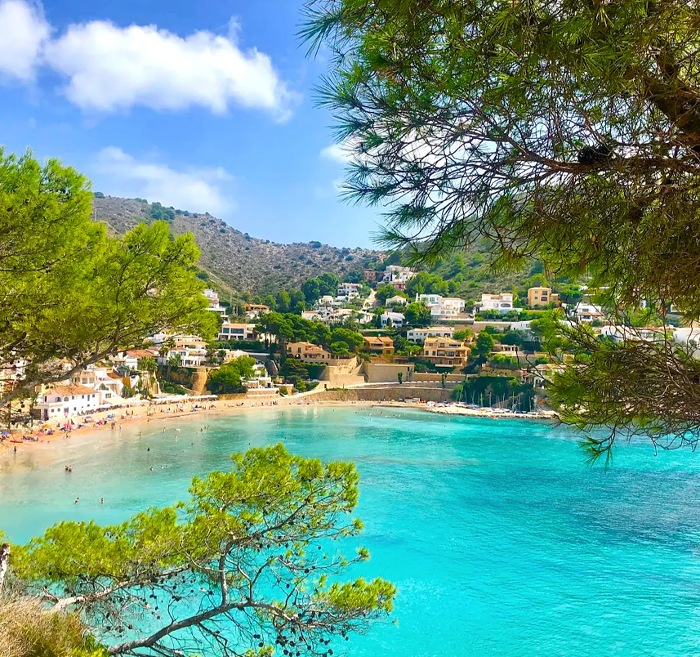
El Portet is one of Moraira’s best-known beaches, and it is easy to understand why. The small, sheltered bay curves around clear Mediterranean water, with green hills rising behind it and boats often visible offshore.
The beach is around 300 metres long, with mostly sand and some pebbly sections. Its sheltered position makes it an appealing place for swimming and spending a few hours by the sea. Kayaking and snorkelling are also popular activities when conditions allow.
A handful of restaurants near the waterfront make it easy to turn a beach visit into a leisurely lunch. The setting is particularly attractive in the morning, before the busiest part of the day.
El Portet is not a secret spot, however. It can become crowded during the summer, and parking close to the beach is limited. If you are visiting in July or August, arriving early is a sensible idea.
2. Moraira Castle: A Reminder of the Coast’s Past
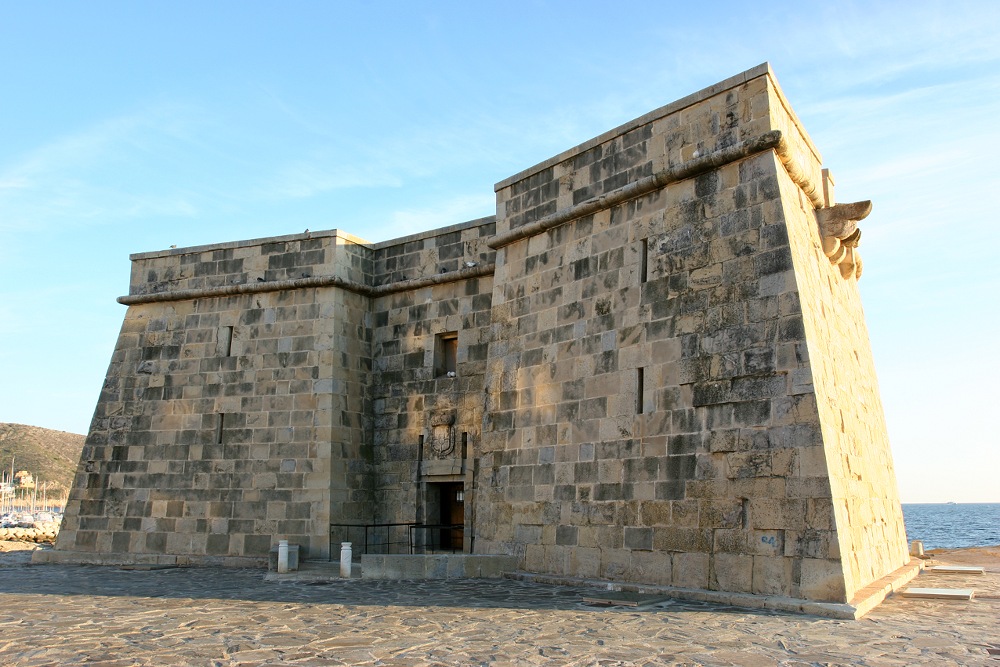
Standing beside l’Ampolla beach, the Castillo de Moraira is one of the town’s most recognisable landmarks.
The fortress dates from the 18th century and was built to help defend this stretch of coastline against attacks from the sea. At the time, coastal communities around the Mediterranean faced the threat of raids, and fortified positions played an important role in protecting local residents.
The building has a distinctive curved shape and a solid, defensive appearance. It is not a vast castle complex, so the visit itself does not take long. Its location is what makes it especially worthwhile: the fortress sits right beside the beach, with the sea providing a natural backdrop.
Combine it with a walk along the waterfront, a coffee in the town centre or some time on l’Ampolla beach. It is an easy stop to include even if you only have a few hours in Moraira.
3. Playa de l’Ampolla: The Main Beach
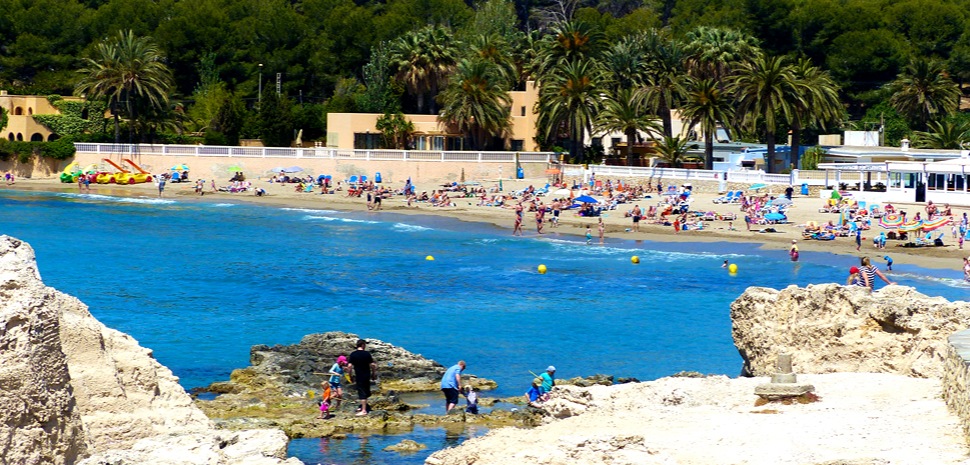
If El Portet feels a little too small for your plans, head to Playa de l’Ampolla, close to the town centre.

This is Moraira’s main urban beach, making it convenient for visitors who want to swim without travelling out to a more secluded cove. Shops, cafés and restaurants are within easy reach, and the castle stands nearby.
Behind the beach lies the Marjal del Senillar, a small coastal wetland separated from the sea by the beach. It provides an interesting natural feature in an otherwise developed seaside setting.
L’Ampolla is a practical choice for families and anyone who wants to combine a beach day with lunch or a stroll through town. As with the other popular beaches, conditions and available facilities can vary by season, so check local information if you need specific services.
@mycostablanca3 ♬ Ooh Ahh (My Life Be Like) [feat. Tobymac] – Grits
4. Walk to the Cap d’Or Watchtower
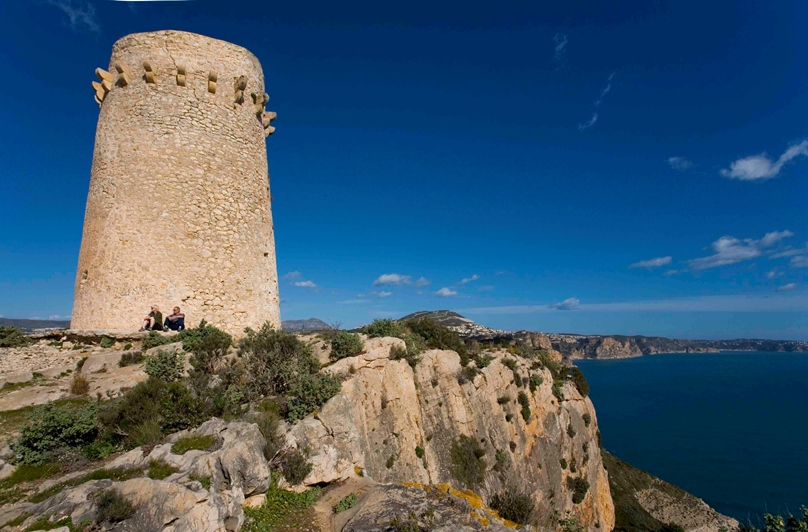
For a different view of Moraira, follow the walking route towards the Torre del Cap d’Or, a historic watchtower perched above the coastline.
The tower was built in the 16th century as part of a wider coastal surveillance system. Lookouts at towers like this watched for approaching ships and warned nearby communities of potential attacks.
Today, the route is one of the area’s more rewarding short walks. The path climbs above El Portet and offers views across the bay and the surrounding coastline. The tower itself is a modest structure, but the elevated position makes the walk worthwhile.
The marked route is relatively short, although the terrain is rocky in places and the climb can feel steep. Wear proper shoes, take water and avoid setting off in the hottest part of a summer day. This is a coastal trail rather than a paved promenade, so it may not suit everyone.
If you enjoy walking, photography or simply seeing a destination from a different angle, put Cap d’Or on your list.
5. Discover the Smaller Coves
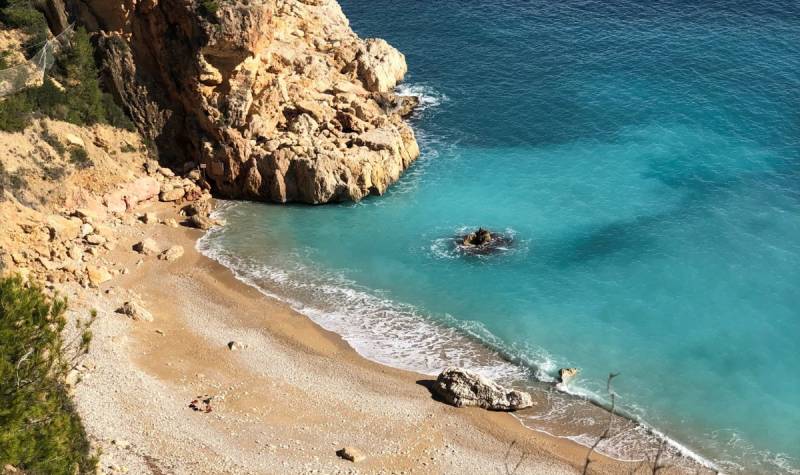
Moraira has more than two well-known beaches. The coastline includes smaller coves and rocky stretches that offer a different experience from the main urban beach.
Les Platgetes is a useful option close to town, with a mix of sandy and pebbly sections. Cala de l’Andragó and Cala Cap Blanc are worth exploring if you prefer a more rugged coastline and enjoy looking beneath the water’s surface.
These places are not necessarily deserted, especially in summer, and some have rocky entries into the sea. Water shoes can be useful, while snorkelling conditions depend on visibility, waves and wind.
The appeal is the variety. You can spend one part of the day on a conventional beach and another exploring a smaller inlet or walking along the coast.
Always follow local swimming signs and check current bathing conditions before entering the water.
6. The Harbour, Marina and Seafront Restaurants
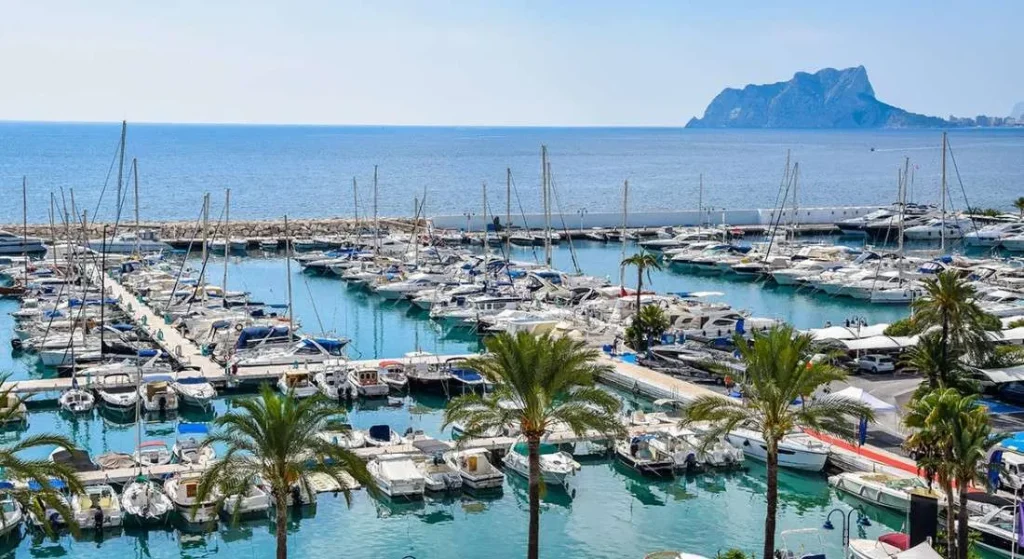
Moraira grew around its fishing harbour, and the sea remains central to the town’s identity.
The harbour area brings together fishing boats, leisure craft and the Club Náutico marina. It is a pleasant place for a stroll, particularly when the boats are returning or the waterfront restaurants begin filling up for lunch.
Food is another reason to stay a little longer. Seafood, fresh fish and rice dishes are natural choices in this part of the Valencian coast. You will also find the familiar mix of Mediterranean restaurants, cafés and international options that caters to both residents and visitors.
You do not need to plan a full day around the harbour. A walk, a drink on a terrace and a relaxed meal can easily become the best part of a short visit.
7. Visit Teulada for a Different Side of the Area
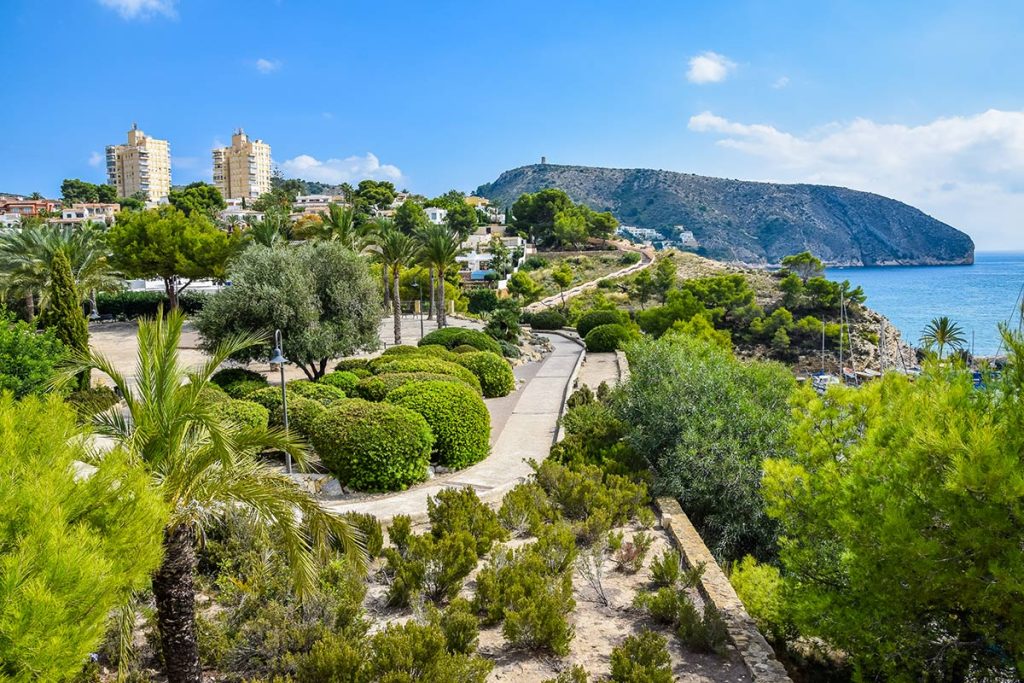
Moraira is the coastal part of the municipality, but the inland town of Teulada is worth considering if you have extra time.
The atmosphere changes as you leave the waterfront behind. Teulada has a historic centre, traditional architecture and a long agricultural connection to the surrounding countryside. Vineyards are an important part of the landscape, particularly those associated with Moscatel grapes.
The area’s wine-making tradition is reflected in local sweet wines, including Moscatel varieties. If you are interested in regional food and drink, this is another side of the Costa Blanca to explore beyond the beaches.
You could visit Teulada in the morning or late afternoon and return to Moraira for dinner. The two places complement each other well: one offers the coast, while the other gives a better sense of the area’s inland heritage.
8. What to Do in Moraira in One Day
If you have only one day, there is enough time to see the main highlights without rushing from place to place.
Morning: Start with a walk around the town centre and harbour. Continue to Castillo de Moraira and spend some time at l’Ampolla beach.
Late morning: Head towards El Portet for a swim or a coffee by the bay. In summer, try to arrive early if you want a convenient parking space.
Lunch: Return to the town or eat near the waterfront. Look for local seafood or a Valencian rice dish.
Afternoon: If you enjoy walking and the weather is suitable, take the route towards the Cap d’Or watchtower. Otherwise, explore Les Platgetes or simply enjoy another stretch of coastline.
Evening: Finish with a relaxed meal and a walk along the seafront. Moraira is particularly enjoyable when there is no need to hurry between attractions.
If you have a second day, use it to explore Teulada and the vineyards inland, or visit other parts of the Marina Alta coastline.
9. Getting to Moraira and Getting Around
Moraira is on the northern Costa Blanca, roughly 80 kilometres from Alicante. A car is useful if you want to explore several beaches, visit inland Teulada or continue to nearby destinations such as Calpe and Jávea.
Once you are in the centre of Moraira, many of the main sights are close enough to explore on foot. The castle, harbour, town centre and l’Ampolla beach are all within a compact area. El Portet is also reachable on foot, although the route and return walk may feel less comfortable in hot weather.
Parking can be difficult near popular beaches during peak summer periods. If you are staying nearby, walking or using local transport where available can save time and frustration.
Moraira also makes a useful stop on a wider Costa Blanca itinerary. It works well as a day trip from nearby coastal towns, but staying overnight gives you more time to explore the coves and enjoy the waterfront after day visitors have left.
10. Is Moraira Worth Visiting?
Moraira is a good choice if you enjoy attractive beaches, a walkable town centre, seafood restaurants and coastal scenery without the scale of a major resort.
Its main attractions are not enormous museums or a long list of historic monuments. The appeal lies in how easily the different parts fit together: a morning at the beach, a short walk to a watchtower, lunch by the harbour and an evening stroll beside the sea.
It is also a useful destination for travellers who want to see more of the Costa Blanca than its best-known resorts. The combination of coastline, local history and the wine-growing countryside around Teulada gives the area a little more depth than a simple beach stop.
Moraira can be busy during the summer, and its smaller beaches and roads have limited space. Planning your beach visits early in the day makes things easier. But if you are looking for a relaxed Mediterranean destination where you can spend time outdoors, eat well and explore at your own pace, Moraira deserves a place on your Costa Blanca itinerary.



Leave a Reply