
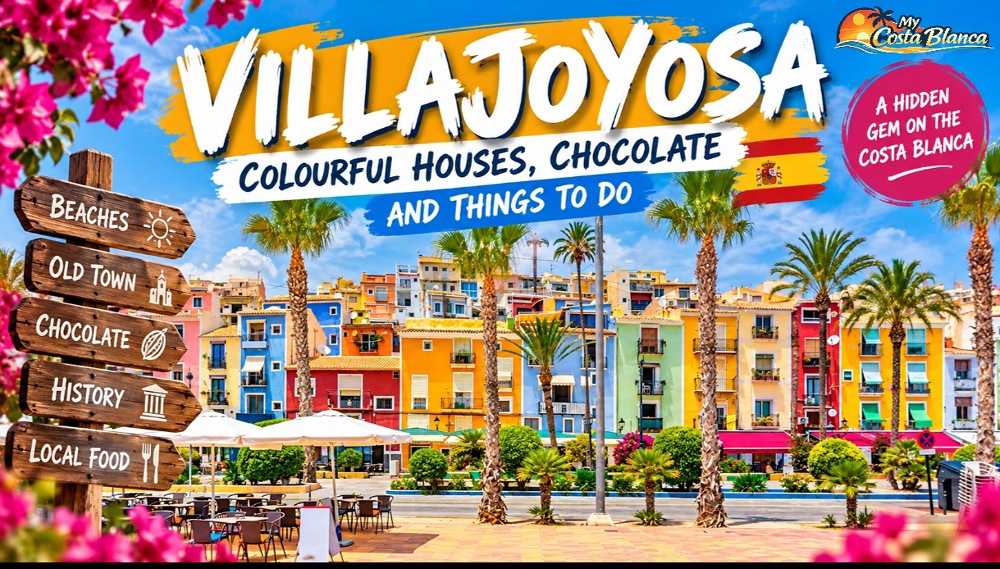
Just a short distance from Benidorm, on Spain’s Costa Blanca, lies Villajoyosa, a charming coastal town known for its colourful houses, chocolate-making heritage, historic streets and beautiful beaches.
Also called La Vila Joiosa in Valencian, this Mediterranean destination offers much more than its famous waterfront. From Roman archaeological discoveries to traditional fishing culture and lively summer festivals, Villajoyosa is well worth exploring.
Whether you are planning a day trip or looking for a quieter alternative to the larger resorts, here are the best things to see and do in Villajoyosa.
1. Discover the Famous Colourful Houses
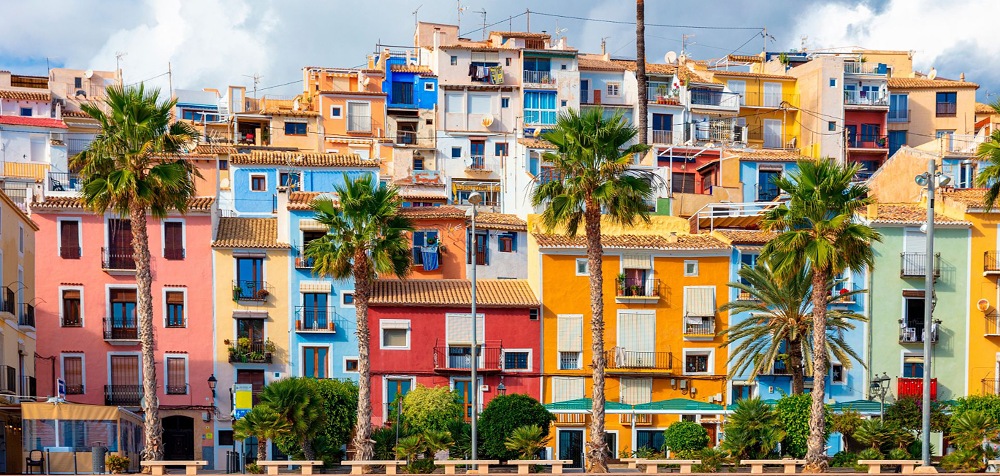
Villajoyosa’s colourful waterfront is one of the most recognisable sights on the Costa Blanca. Rows of blue, yellow, red, green and pink houses stand beside the Mediterranean, creating a beautiful backdrop for photographs.
According to local tradition, fishermen painted their homes in different colours so they could recognise them when returning from the sea. While the full history of the tradition is more complex, the houses remain closely connected to the town’s maritime identity.
Walk along the seafront near Playa Centro, then explore the narrow streets behind the colourful façades. The historic centre reveals a more traditional side of Villajoyosa, with old buildings, small businesses and reminders of its fishing past.
For the best photographs, visit in the morning or late afternoon, when the light brings out the colours of the buildings.
2. Explore the Historic Old Town
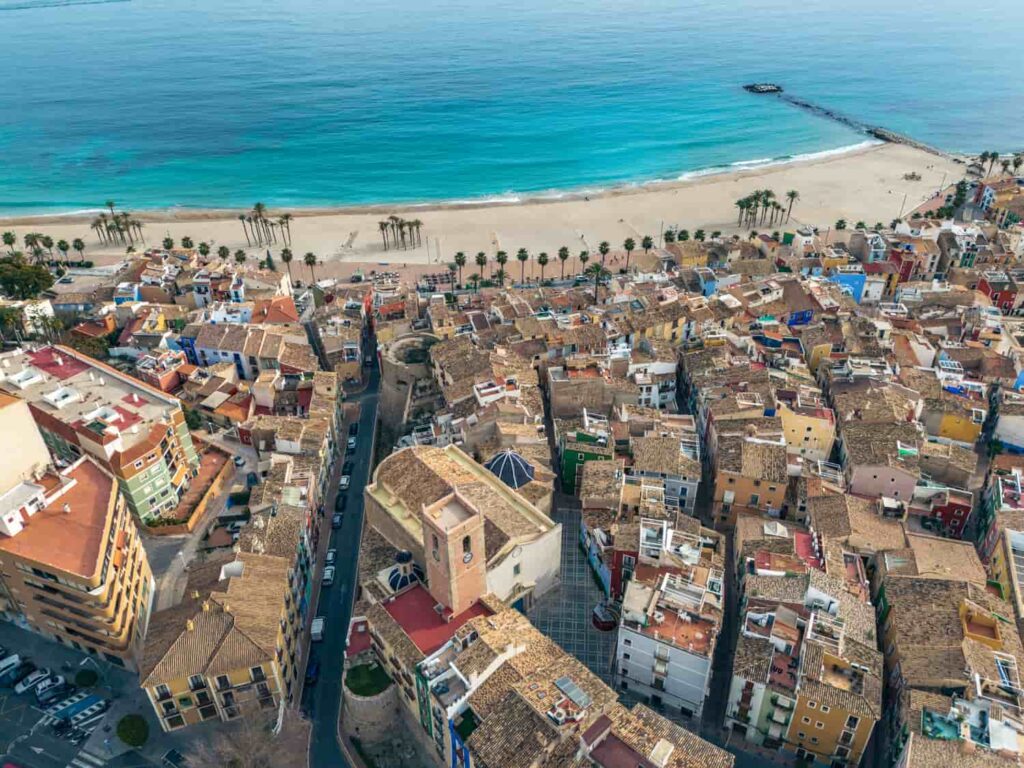
Villajoyosa’s history goes far beyond its picturesque houses. The town developed around fishing, maritime trade and coastal defence, and parts of its former fortifications can still be seen today.
The Church of Nuestra Señora de la Asunción is one of the historic centre’s most important landmarks. Dating from the Gothic period, it was integrated into the town’s defensive structure, reflecting the dangers faced by coastal communities in earlier centuries.
The surrounding streets are ideal for a relaxed walk. Rather than rushing between attractions, take time to notice the traditional architecture and the way the old town connects with the waterfront.
3. Visit the Valor Chocolate Museum
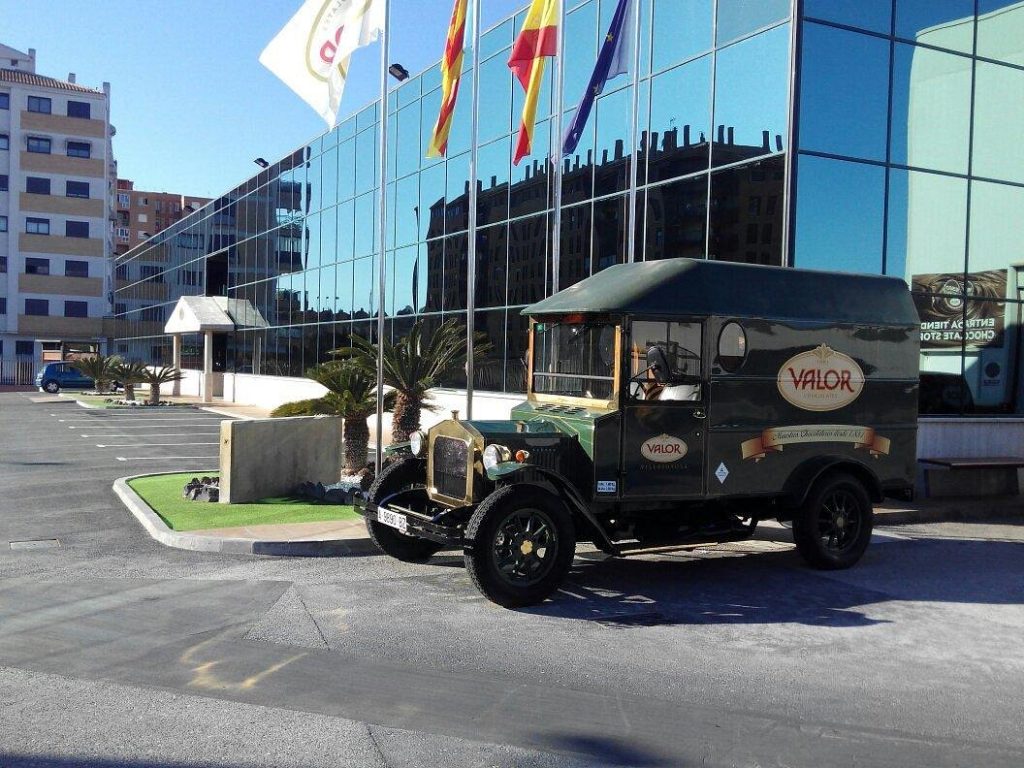
Chocolate is an important part of Villajoyosa’s identity. The local chocolate industry developed during the nineteenth century, supported by maritime trade and the arrival of cocoa from overseas.
The Valor Chocolate Museum introduces visitors to the history of the company and the development of chocolate production. Depending on the available tour arrangements, visitors may also learn about the manufacturing process and sample chocolate.

Villajoyosa is also associated with other chocolate producers, including Clavileño, making this a particularly interesting destination for anyone who enjoys local food traditions.
Check the museum’s official website before visiting for current opening hours, tour availability and booking information.
4. Discover the Roman Heritage
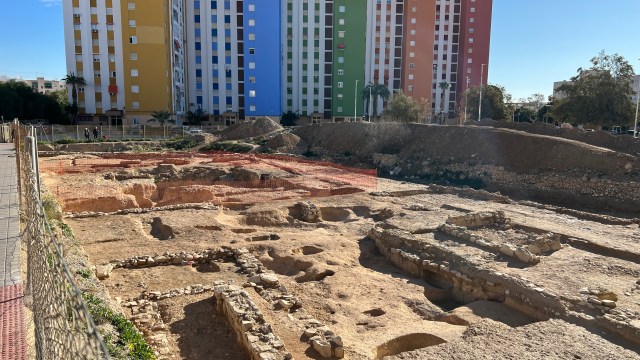
Villajoyosa has a rich archaeological history, with evidence of settlement dating back to ancient times. The area is associated with the Roman city of Allon and has produced important discoveries connected to trade and everyday life in the ancient Mediterranean.
Vilamuseu, the municipal museum, is a good starting point for exploring this heritage. Its collections help visitors understand the different cultures and historical periods that shaped the region.
One particularly fascinating discovery is the Bou Ferrer Roman shipwreck, associated with a large merchant vessel that transported goods across the Mediterranean.
Another historical landmark is the Torre de Sant Josep, a Roman funerary monument located outside the main town centre. It offers an interesting glimpse into the area’s ancient past.
5. Enjoy the Beaches of Villajoyosa
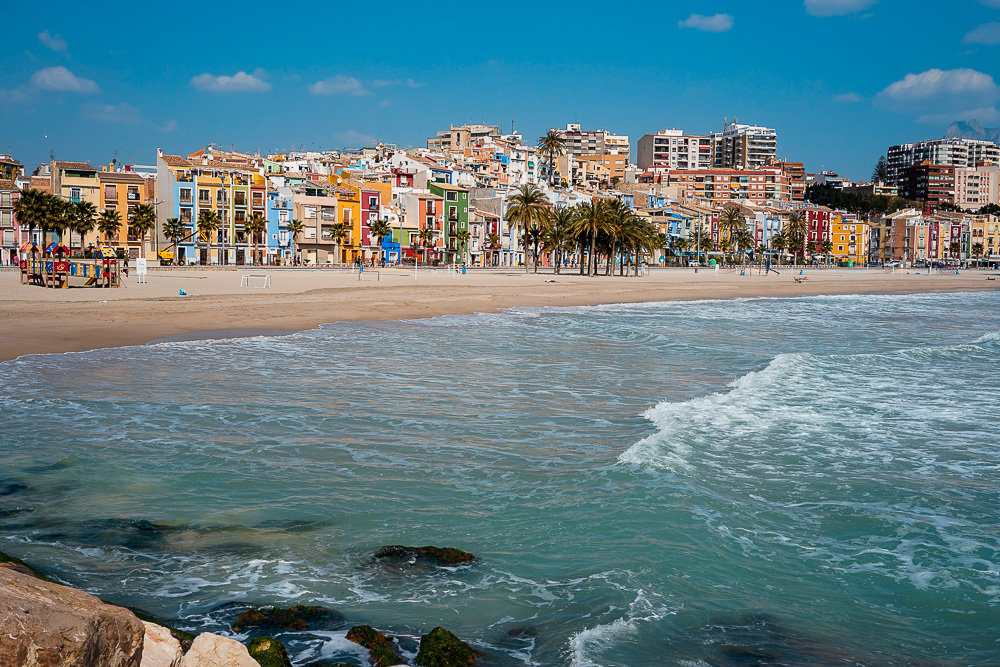
Villajoyosa’s coastline offers several options for visitors who want to combine sightseeing with time by the sea.
Playa Centro is the main urban beach, located close to the colourful houses and historic centre. Its convenient location makes it ideal for a swim after exploring the town.
Playa Paradís offers another coastal setting, while Playa del Torres is worth considering if you want to explore beyond the central waterfront.
For a more natural environment, Racó del Conill is a small rocky cove known for its naturist tradition.
The best choice depends on whether you prefer convenient facilities, a sandy beach or a quieter coastal setting. During summer, arrive early if you want to avoid the busiest periods.
6. Taste the Local Cuisine
Food is another reason to spend time in Villajoyosa. The town’s maritime heritage is reflected in its seafood dishes, traditional rice recipes and locally inspired cooking.
Look out for arroz a banda, fideuà and fish-based dishes such as caldero. Another local speciality is pebrereta, a traditional dish associated with Villajoyosa that combines peppers and a local variety of pumpkin.
After lunch, leave room for chocolate or a sweet treat from a local shop.
If you enjoy discovering regional food, ask restaurant staff about their house specialities and seasonal dishes rather than limiting yourself to the standard tourist menu.
7. Experience the Moros y Cristianos Festival
If you visit in late July, you may have the chance to experience one of Villajoyosa’s most distinctive annual celebrations: Moros y Cristianos.
The festival honours Santa Marta and commemorates a traditional account of a corsair attack on the town in 1538.
Its best-known event is El Desembarc, a dramatic re-enactment of a landing on the beach, complete with boats, costumes and staged confrontations.
The celebrations also feature music, processions and fireworks. The festival has received recognition as an event of International Tourist Interest in Spain.
Dates and programmes should be checked before travelling, especially if you plan to book accommodation around the celebrations.
8. Walk to Torre del Aguiló
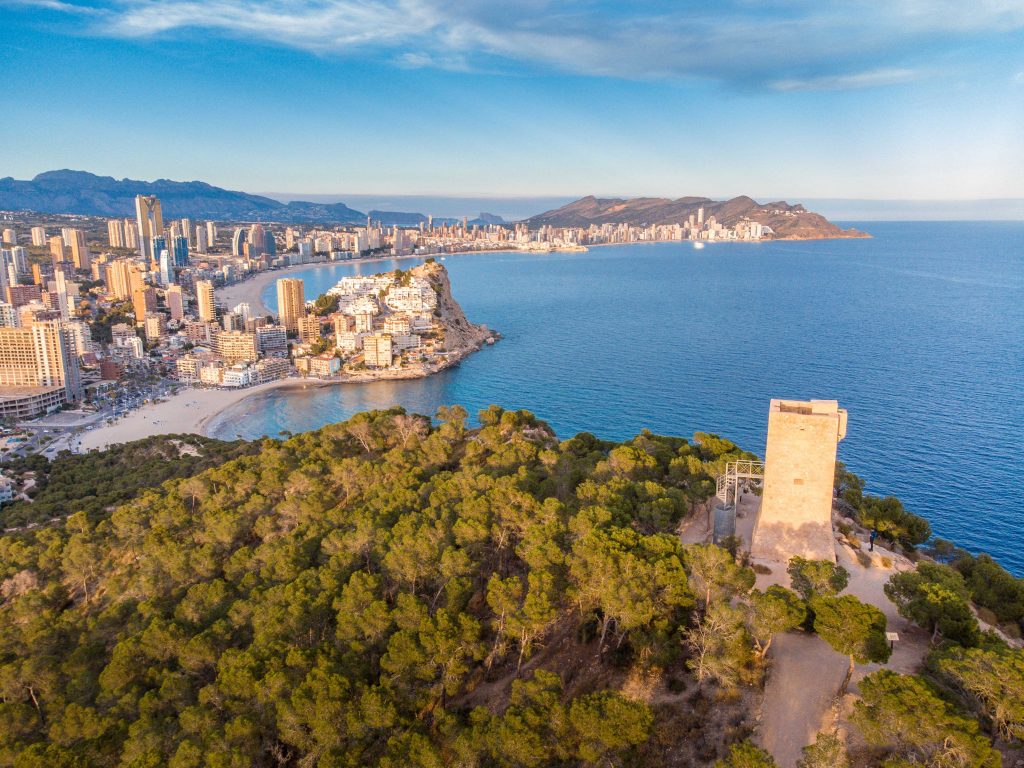
For a different perspective on the coastline, consider visiting Torre del Aguiló, a historic watchtower overlooking the Mediterranean between Villajoyosa and Benidorm.
Built as part of the coastal warning system, the tower helped communities detect potential attacks from the sea.
Today, the surrounding area is appreciated for its historical interest and coastal views. It is a good option for visitors who enjoy walking, photography and discovering landmarks away from the main tourist streets.
Check route conditions before setting out, and bring water and suitable footwear during warmer weather.
How to Get to Villajoyosa
Villajoyosa is located between Benidorm and Alicante, making it an easy addition to a Costa Blanca itinerary.
- By tram: TRAM d’Alacant connects Villajoyosa with Benidorm and Alicante. Check the current timetable before travelling.
- By car: The town can be reached via the AP-7 motorway or the N-332 coastal road.
- By bus: Regional services connect Villajoyosa with nearby destinations, depending on the route and timetable.
A half-day is enough to explore the colourful waterfront and historic centre. If you want to visit the chocolate museum, enjoy lunch and spend time on the beach, allow a full day.
Spring and autumn are particularly pleasant for walking and sightseeing, while summer is ideal for combining the town with a beach day. Late July is the most interesting period for visitors hoping to experience the traditional festival.
Is Villajoyosa Worth Visiting?
Absolutely. Villajoyosa offers a different perspective on the Costa Blanca, combining colourful architecture with a genuine maritime heritage, a distinctive chocolate industry, Roman history and a varied coastline.
Its proximity to Benidorm makes it an easy day trip, but the town has enough character to reward visitors who take their time exploring its streets, museums and beaches.
Whether you come for the famous houses, the local cuisine, the historical landmarks or simply a relaxing afternoon beside the Mediterranean, Villajoyosa is a destination that deserves more than a quick photograph.
Beyond its colourful waterfront, Villajoyosa reveals a rich blend of history, chocolate, coastal traditions and everyday Mediterranean life.





Leave a Reply