

Over the past five years, Alicante has transformed from a Mediterranean city of affordable charm into one of Spain’s hottest – and most expensive – real estate markets. Property prices have surged dramatically, and rental costs have followed suit, leaving locals struggling to stay afloat while international buyers and expats navigate a market that seems increasingly out of reach.
Five Years of Soaring Prices
According to data published by Cadena SER in September 2025, housing prices in Alicante have risen by an average of 40% in the last five years, with some neighborhoods seeing increases of up to 88% (Cadena SER). Rentals are no better: the cost of renting has jumped 70%, forcing households to allocate 37% of their income just to pay rent – well above the European average.
This sharp increase is not an isolated case. A report from CaixaBank shows that Alicante province faces a deficit of nearly 38,900 homes between 2021 and 2024. If short-term tourist rentals are factored in, the real shortage could climb to 86,000 units (Cadena SER). The result is an overheated market where demand consistently outpaces supply.
Why Is Housing Becoming So Expensive?
Several factors explain this housing boom:
- Tourism Growth: Alicante remains one of Spain’s top tourist destinations, attracting millions of visitors annually. Many investors convert apartments into short-term rentals for tourists.
- Expat Demand: The Costa Blanca is hugely popular among British, German, Dutch, and Scandinavian expats, driving up property values.
- Limited Construction: New housing projects have not kept pace with demand, partly due to regulatory hurdles and environmental restrictions.
- Investment Haven: For international investors, Alicante’s coastal properties are seen as a safe bet compared to volatile markets elsewhere in Europe.
The Consequences for Locals
For locals, the dream of owning a home in Alicante is slipping away. Young professionals find themselves priced out of the city center, often forced to move to nearby towns such as Elche, San Vicente del Raspeig, or Villajoyosa. Families spend disproportionate shares of their income on rent, reducing disposable income and quality of life.
Meanwhile, the city’s cultural fabric faces pressure: when entire neighborhoods are dominated by short-term rentals, local businesses struggle to retain year-round customers, and community ties weaken.
What About Expats and International Buyers?
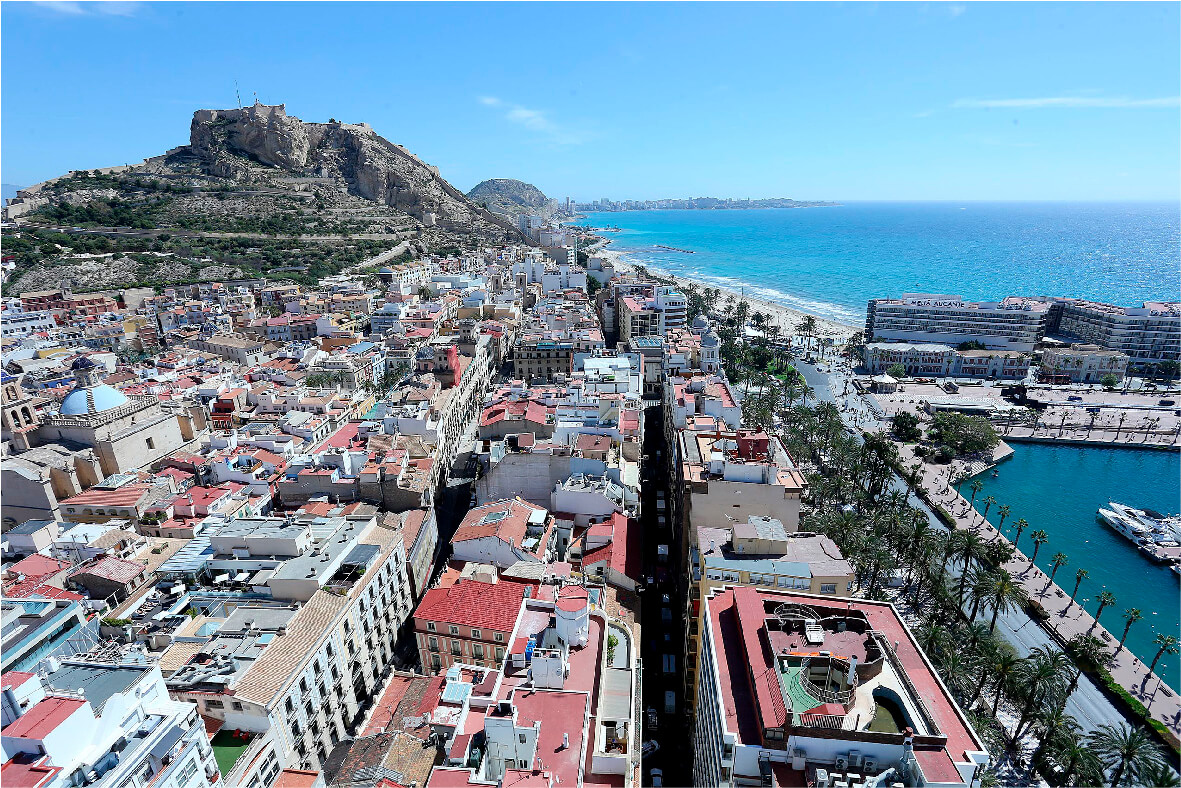
For foreign buyers, Alicante remains attractive – but with caveats. Prices are significantly lower than in Barcelona, Madrid, or Marbella, yet the upward trend means bargains are harder to find.
Expats planning long-term stays should be prepared for stiff rental competition. Apartments in central neighborhoods like El Centro, El Pla, or Playa de San Juan often receive multiple rental applications within days of being listed.
Tips for Navigating the Market
- Look Beyond the City Center: Towns like Elche, Torrevieja, or Villajoyosa offer better value while staying close to Alicante.
- Consider Long-Term Rentals: Landlords may prefer stability and offer lower monthly rates compared to short-term leases.
- Be Quick: Properties move fast – prepare documents in advance if renting.
- Use Trusted Agents: Fraud is unfortunately common in overheated markets.
The Road Ahead
Will prices stabilize? Analysts are divided. Some predict continued growth as demand from tourists and expats shows no signs of slowing. Others argue that rising interest rates and affordability constraints may eventually cool the market.
What is certain is that Alicante’s reputation as a budget-friendly Mediterranean destination is fading. For locals, the housing crisis threatens to erode community stability. For newcomers, the city remains a vibrant, attractive place to live – but at a growing cost.




Leave a Reply