

From mosquitoes to geckos – the truth about the tiny creatures you may encounter on Spain’s Mediterranean coast.
When planning a holiday on the Costa Blanca, most people think about golden beaches, turquoise waters, delicious tapas, and endless sunshine. What few travelers consider is the local wildlife—especially the small creatures that can occasionally become an unwanted part of the vacation.
The good news? Compared to many parts of Europe, Costa Blanca is a very comfortable destination when it comes to insects. Still, knowing what to expect can help you avoid unpleasant surprises and enjoy a worry-free holiday.
Here’s everything you should know.
Mosquitoes (Yes, They Exist!)
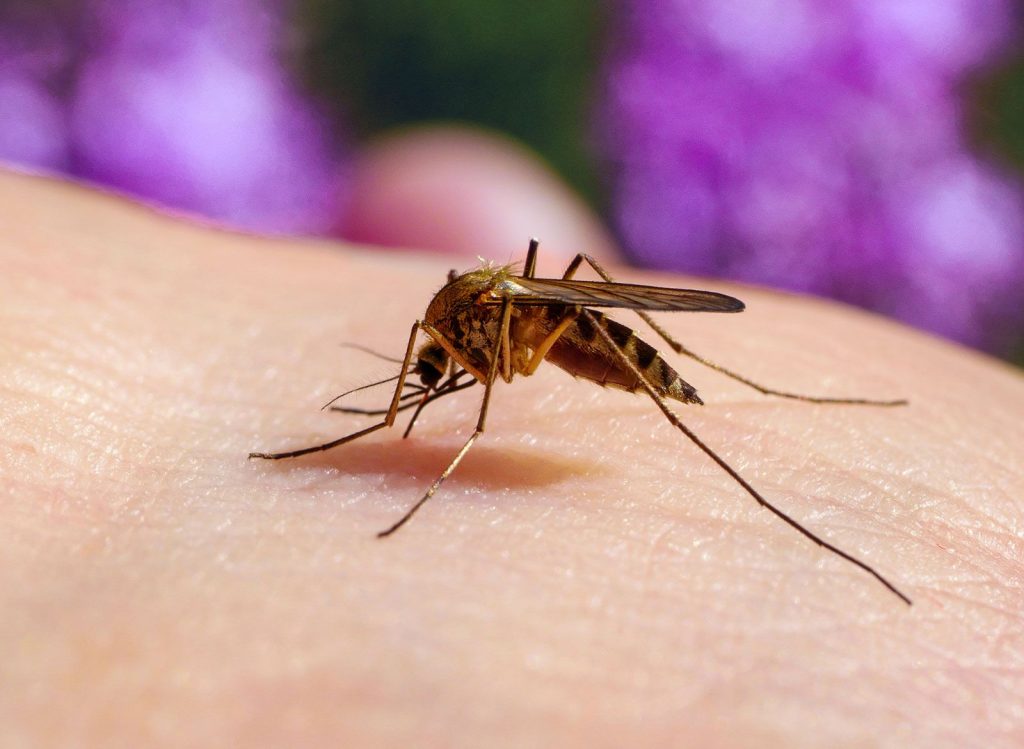
Although Costa Blanca doesn’t suffer from mosquito invasions like some tropical destinations, mosquitoes are certainly present.
They are most active:
- At sunrise and sunset
- Near wetlands and lagoons
- Around swimming pools and gardens
- After rainy days
- During warm summer nights
Areas such as Torrevieja’s Pink Salt Lakes, El Hondo Natural Park, Santa Pola Salt Flats, and parts of the Mar Menor tend to have higher mosquito populations because of the nearby standing water.
The Asian Tiger Mosquito
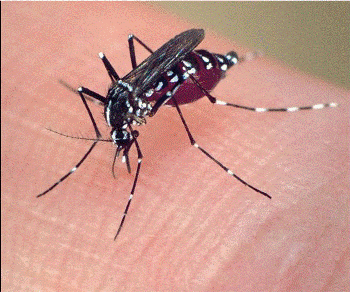
One mosquito deserves special attention.
The Asian Tiger Mosquito (Aedes albopictus) has spread across much of Spain during the past decade.
Unlike common mosquitoes, it:
- bites during the daytime,
- is aggressive,
- can bite multiple times,
- prefers ankles and legs.
Fortunately, serious mosquito-borne diseases are extremely rare on the Costa Blanca, but the bites can still be irritating.
How to Protect Yourself
A few simple precautions can make a huge difference.
We recommend packing:
- insect repellent spray
- after-bite gel
- antihistamine cream
- long sleeves for evenings
- a small first aid kit
If you’re travelling with children or someone who reacts strongly to insect bites, good-quality repellent is highly recommended.
Many experienced travellers even buy their insect repellent before leaving home to ensure they have a product they already trust.
Wasps and Bees
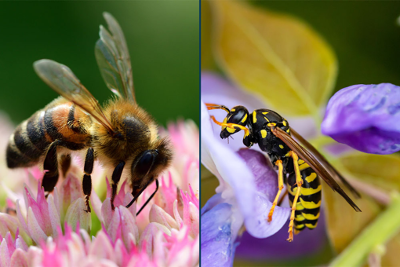
During summer you’ll often notice wasps around:
- beach bars
- restaurants
- outdoor cafés
- fruit markets
- picnic areas
They’re usually attracted by sweet drinks, fruit, and ice cream.
A simple tip:
Never leave open cans or soft drinks unattended, especially if children are nearby.
Ants
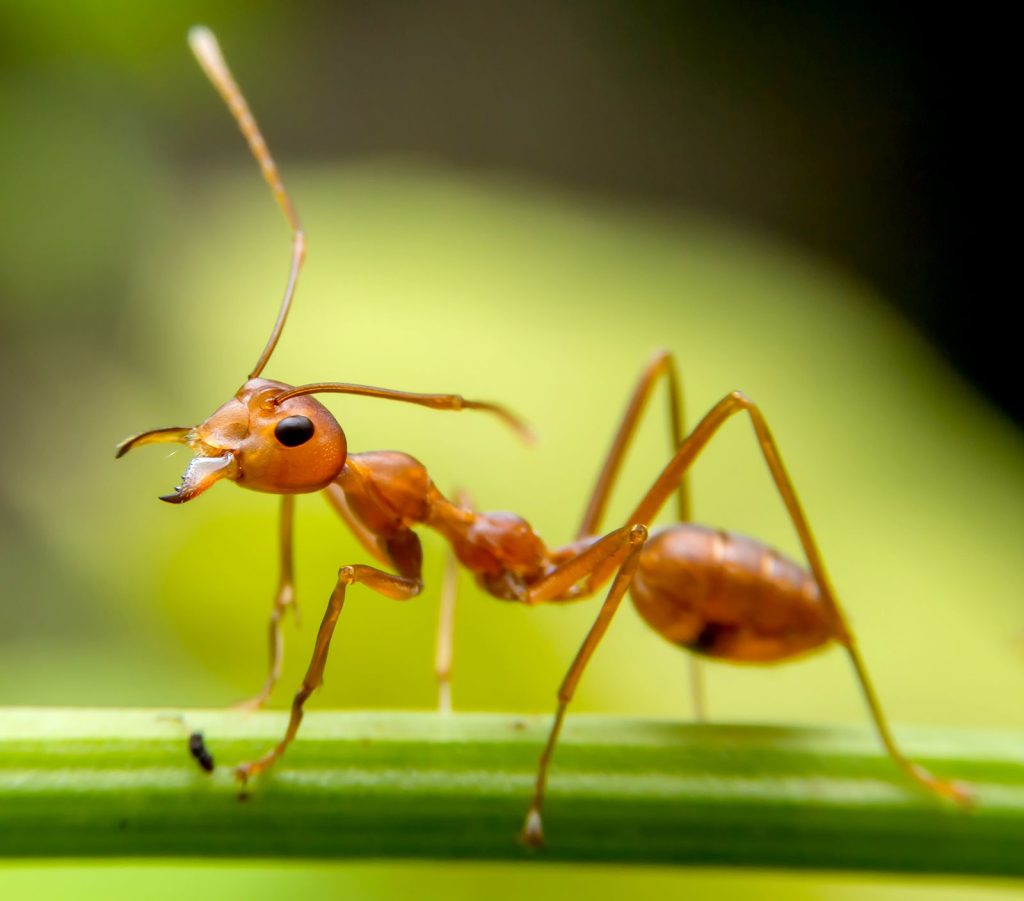
Ants are probably the insects visitors encounter most often inside holiday apartments.
If you leave food uncovered—even for a short time—you may quickly find a line of tiny visitors heading towards it.
Store food properly and keep kitchen surfaces clean, and they’re rarely a problem.
Cockroaches
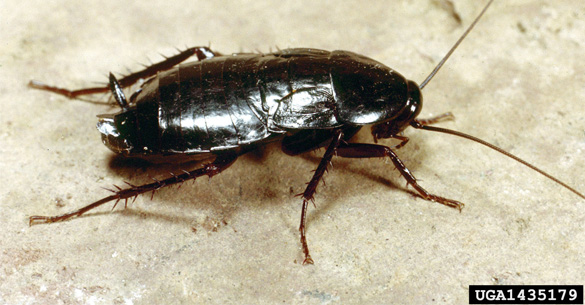
This surprises many first-time visitors.
Large cockroaches are common in southern Spain.
Don’t panic—they’re usually outdoor insects.
You may occasionally spot one:
- on pavements after dark,
- near palm trees,
- around drains,
- or crossing quiet streets at night.
Finding one outside is completely normal and doesn’t mean an area is dirty.
Spiders
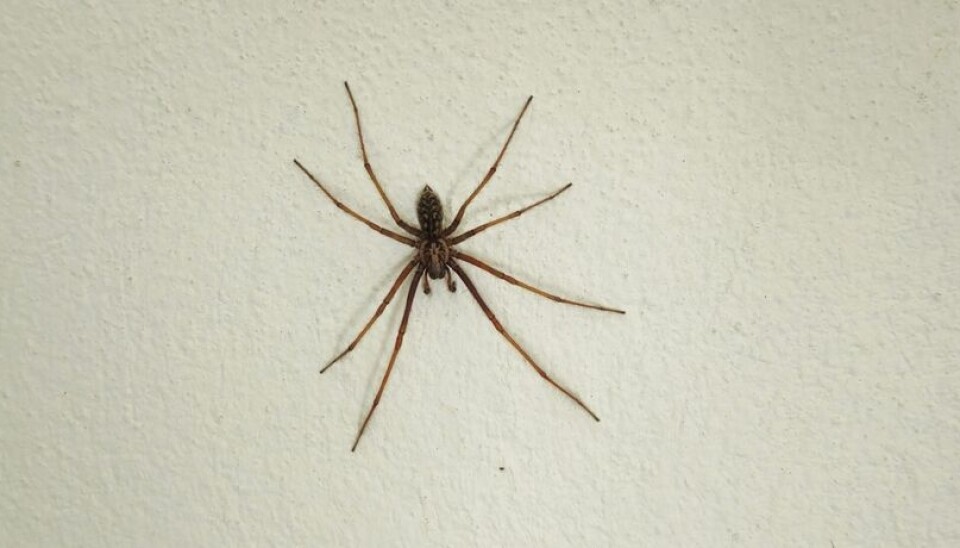
Good news for arachnophobes.
Despite the warm climate, dangerous spiders are extremely uncommon on the Costa Blanca.
Most species are small, shy, and completely harmless.
Spider bites requiring medical attention are exceptionally rare.
Scorpions
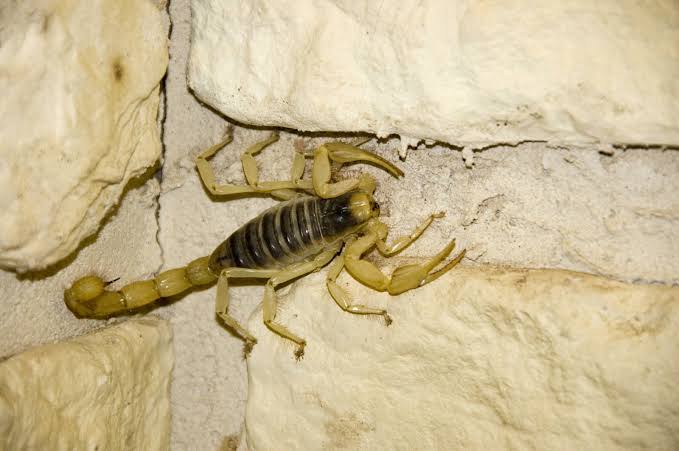
Yes…
There are scorpions in the Costa Blanca region.
Before you cancel your holiday, here’s the important part:
Seeing one is actually quite unusual.
Most local scorpion species hide under rocks, in rural areas, or in mountains far away from busy tourist resorts.
Their sting is generally comparable to a bee sting unless someone has an allergic reaction.
Geckos: Your Tiny Holiday Friends
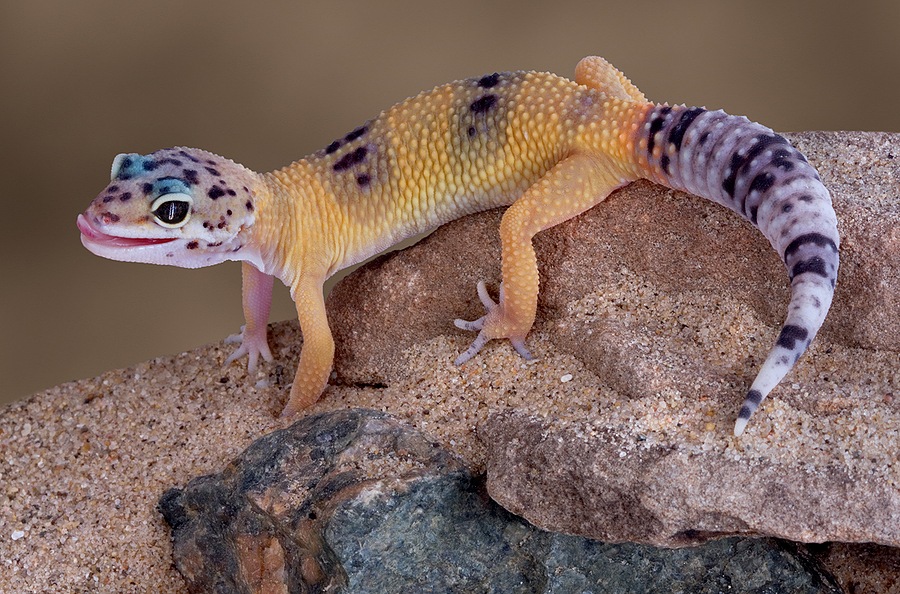
Technically they’re not insects—but they deserve a place on this list.
Many visitors are startled the first time they see a small gecko climbing a hotel wall.
In reality, geckos are one of the best “natural pest control systems” you could ask for.
They feed on:
- mosquitoes
- flies
- moths
- small insects
They’re completely harmless, don’t damage property, and are considered lucky by many locals.
If you see one on your balcony, it’s probably helping you more than you realise.
Flies
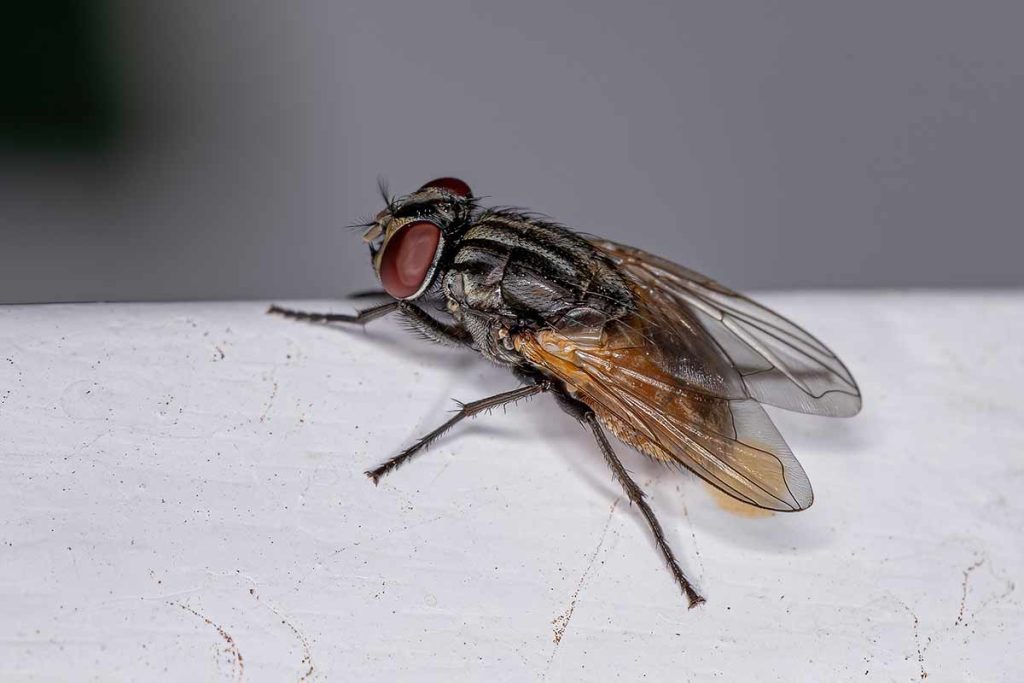
Flies become more noticeable during the hottest summer months, particularly near restaurants, farms, or outdoor markets.
Nothing unusual compared to other Mediterranean countries.
Do You Need to Worry About Ticks?
Unlike central and northern Europe, ticks are not a common concern for beach tourists on the Costa Blanca.
However, if you enjoy:
- mountain hiking,
- forest trails,
- countryside walks,
- or natural parks,
wearing long trousers and using insect repellent is still a sensible precaution.
What Should You Pack?
A small insect kit takes almost no space in your suitcase but can save your holiday.
Consider bringing:
- ✅ Mosquito repellent
- ✅ After Bite gel
- ✅ Antihistamine cream
- ✅ Plasters
- ✅ Small disinfectant spray
- ✅ Tweezers
- ✅ Sunscreen (many people mistake sunburn irritation for insect bites)
Are Insects a Serious Problem on the Costa Blanca?
The simple answer is no.
Millions of tourists visit the Costa Blanca every year without experiencing any significant problems with insects.
Compared with many tropical destinations, the region is remarkably comfortable.
The occasional mosquito bite or curious gecko is far more likely than anything dangerous.
With a little preparation—and perhaps a good insect repellent in your suitcase—you’ll be free to focus on what really matters: enjoying the sunshine, beautiful beaches, delicious food, and everything else this wonderful Mediterranean destination has to offer.
FAQ
Are there mosquitoes in Costa Blanca?
Yes. Mosquitoes are present, especially near wetlands, salt lakes, and gardens during the warmer months. They are generally most active around sunrise and sunset.
Is the Asian tiger mosquito found in Costa Blanca?
Yes. The Asian tiger mosquito has become established in many parts of eastern Spain, including the Costa Blanca.
Are there dangerous spiders in Costa Blanca?
Dangerous spider encounters are extremely rare. Most spiders are harmless and avoid human contact.
Are there scorpions in Alicante Province?
Yes, but sightings are uncommon, particularly in tourist resorts. Most local species are not considered dangerous to healthy adults.
Should I bring mosquito repellent to Spain?
Absolutely. A quality insect repellent is a good idea, especially if you’re visiting during summer or staying near natural parks, salt lakes, or marshland.






Leave a Reply