

Discovering Montgó: The Giant of the Costa Blanca
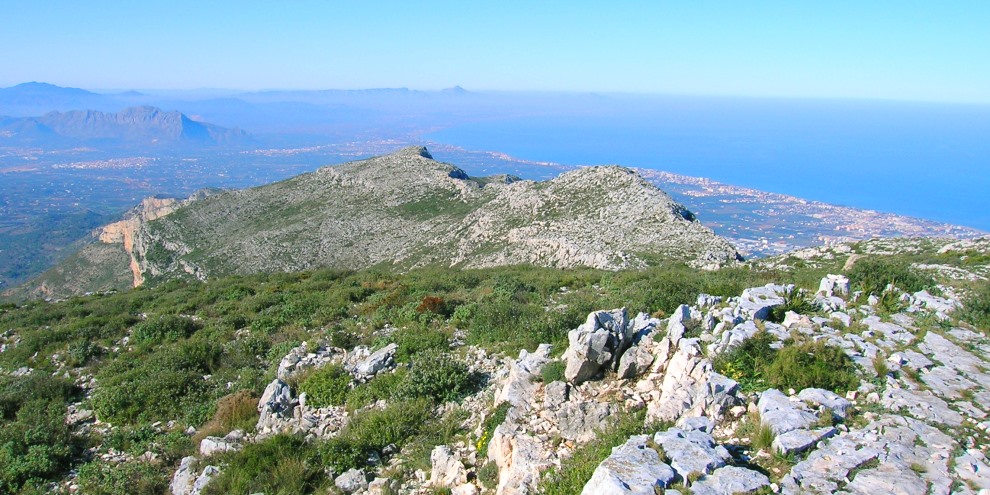
Between the charming coastal towns of Dénia and Jávea (Xàbia) rises one of Costa Blanca’s most recognizable landmarks — the mighty Montgó Mountain. Standing 753 meters above sea level, this limestone giant watches over the Mediterranean like a silent guardian. Its sheer cliffs, hidden caves, and breathtaking views make it a paradise for hikers, photographers, and nature lovers alike.

Declared a Natural Park in 1987, Montgó is more than just a mountain — it’s a living museum of biodiversity, with over 650 plant species, rare orchids, and eagles soaring in the thermals. Locals affectionately call it “the sleeping elephant”, as from certain angles its shape resembles the head of a resting giant.
Whether you come for a challenging summit hike or a gentle walk among wild rosemary and olive trees, Montgó offers one of the most authentic encounters with nature on the Costa Blanca. 🌿
Top Hiking Trails and Viewpoints
🥾 Montgó’s trails are well-marked and vary from easy nature walks to steep ascents leading to the summit. Here are some of the most rewarding routes:
1. Route to Cumbre del Montgó (Summit Trail)
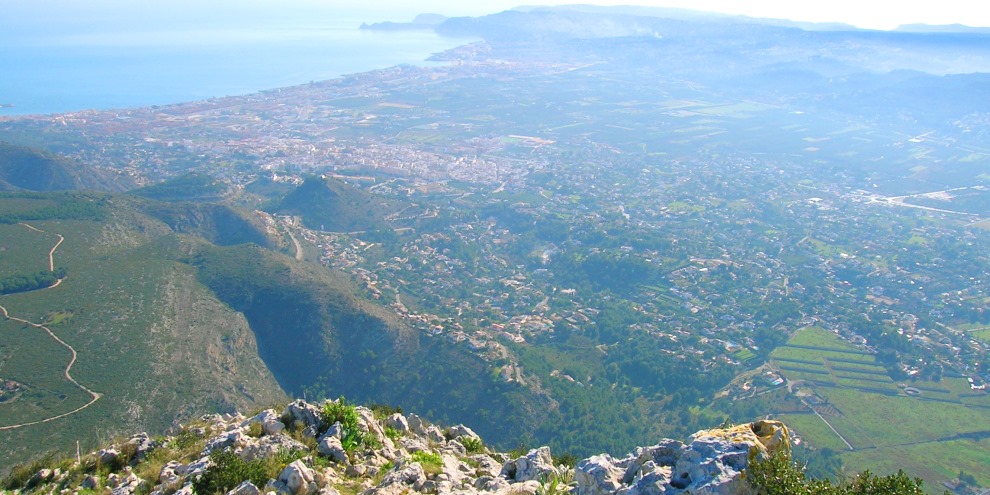
- Start: Ermita del Pare Pere (Dénia side)
- Duration: ~3.5 hours round trip
- Difficulty: Medium to hard
- Highlight: Reaching the summit with panoramic views stretching from Ibiza to the Sierra Aitana.
- 📍 Google Maps – Montgó Summit Trail
2. Cova de l’Aigua (Cave of Water)
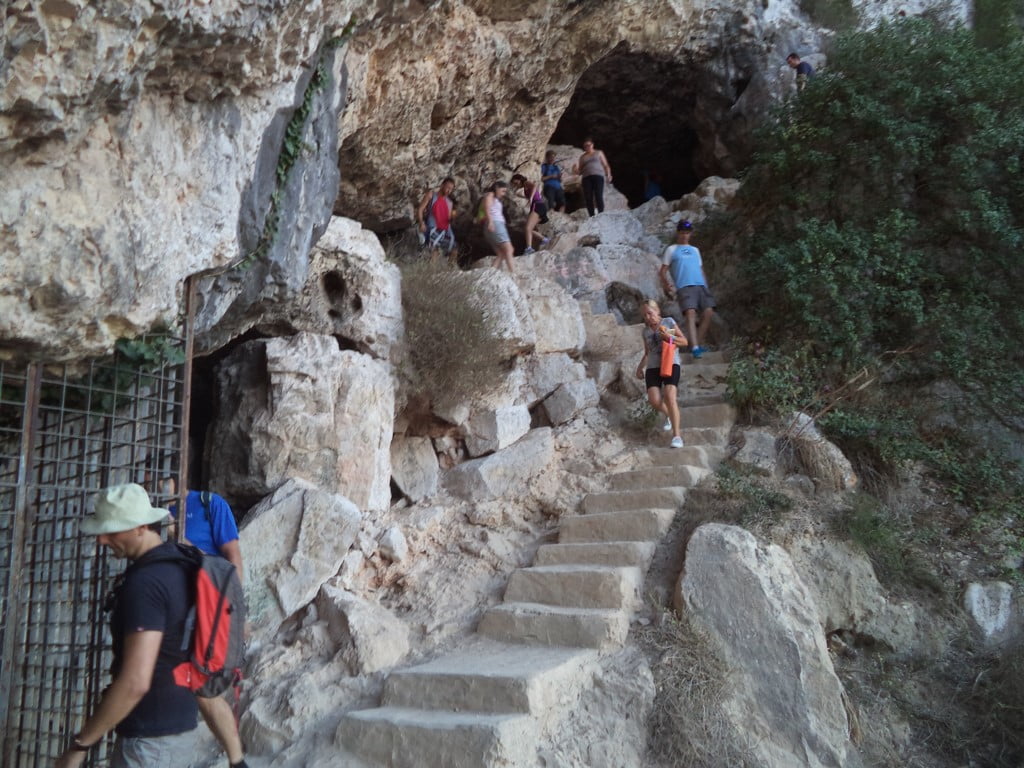
- Start: From Jesús Pobre or Ermita del Pare Pere
- Duration: ~1 hour round trip
- Highlight: A fascinating cave used by Romans to collect water — still visible inscriptions and smooth stone walls.
- 📍 Google Maps – Cova de l’Aigua
3. Cabo San Antonio Viewpoint

- Location: Eastern edge of the park, overlooking the sea between Jávea and Dénia
- Highlight: Breathtaking sunset views over the cliffs and Mediterranean horizon 🌅
- 📍 Google Maps – Mirador del Cabo San Antonio
Tip: Start your hike early in the morning, especially in summer, and always carry plenty of water, sun protection, and a good pair of shoes — Montgó’s rocky terrain can be unforgiving under the midday sun.
Wildlife and Flora of Montgó
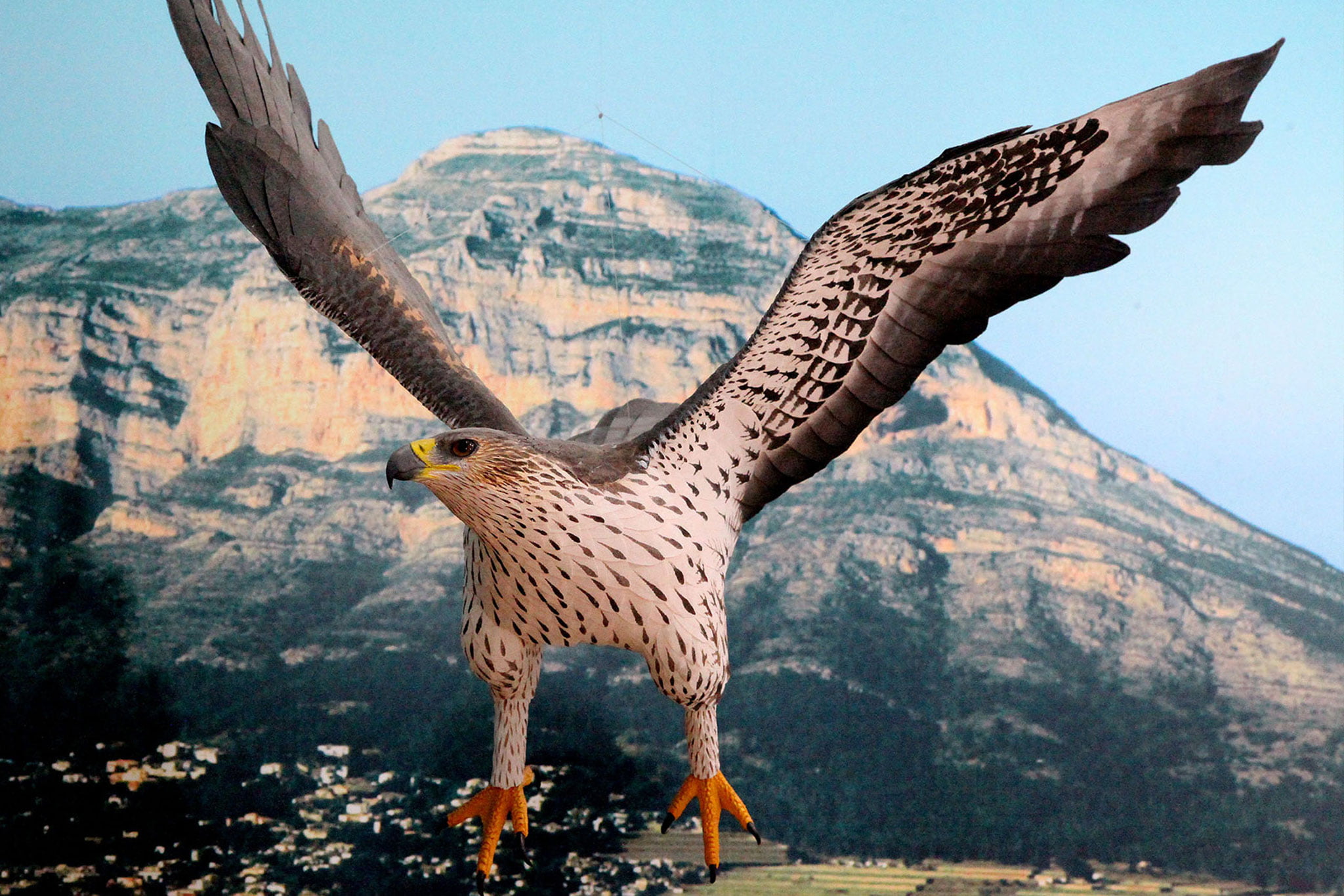
Montgó is a botanical gem of the Mediterranean. The park’s unique microclimate — humid sea air meeting the mountain’s limestone slopes — supports an incredible range of vegetation.
You’ll find wild thyme, rosemary, carob trees, and rare orchids growing alongside palm shrubs and Aleppo pines. In spring, the slopes burst into color with poppies and lavender, attracting hundreds of butterflies. 🦋
As for wildlife, keep your eyes open for:
- 🦅 Peregrine falcons and Bonelli’s eagles
- 🦎 Geckos, lizards, and small reptiles basking on rocks
- 🐇 Wild rabbits and hedgehogs hiding in the underbrush
- 🦉 Owls calling from the forested foothills at dusk
This rich biodiversity is one reason Montgó was declared a Protected Natural Park, ensuring it remains a sanctuary for flora and fauna — and for anyone seeking peace in nature.

Legends, History and Hidden Caves
Montgó’s dramatic silhouette has inspired myths and legends for centuries. Some locals say the mountain hides ancient spirits that protect Dénia and Jávea from storms. Others believe its shape resembles a lion’s head, guarding the coast.
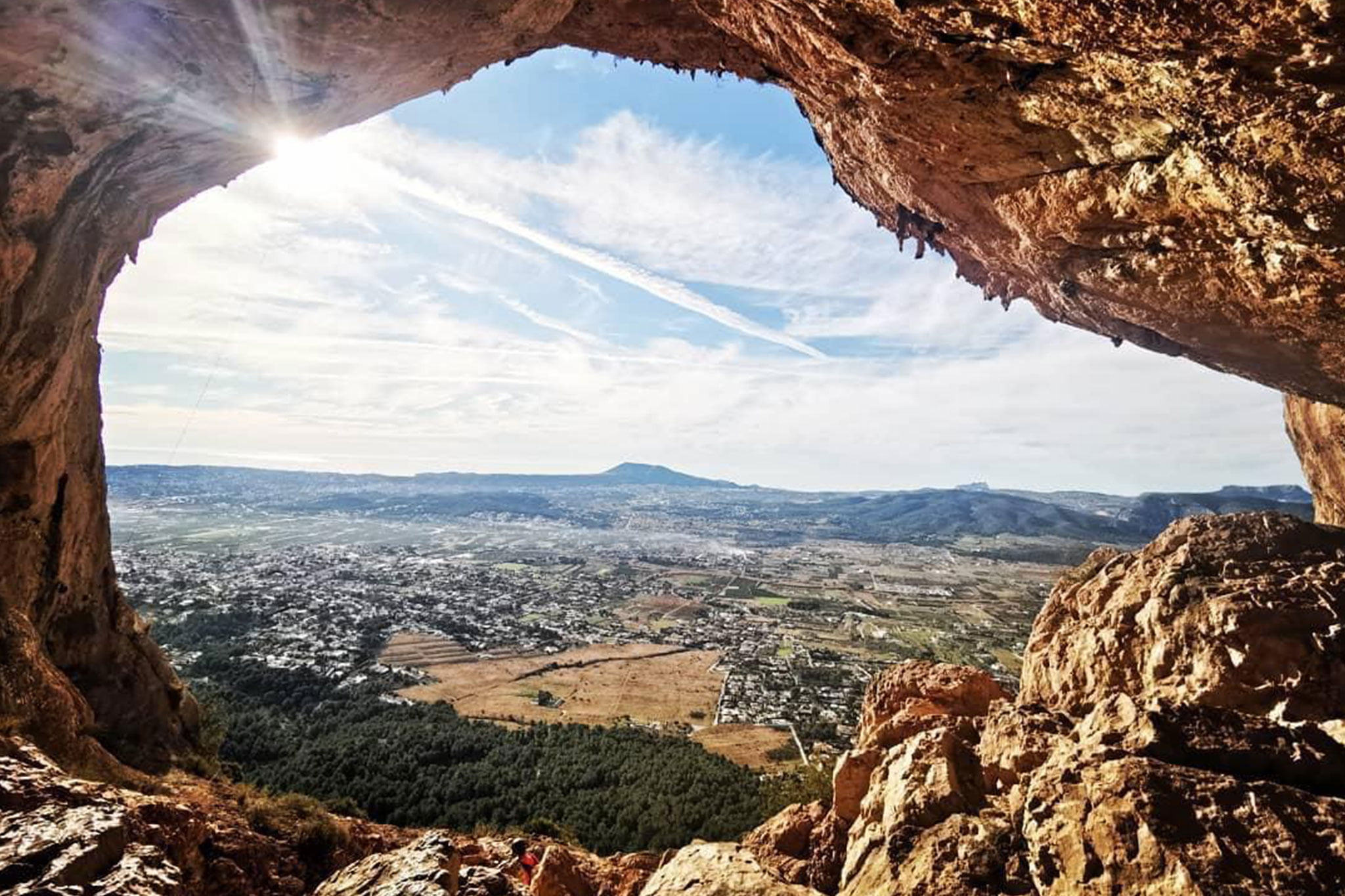
Archaeological finds prove that humans have lived here for over 30,000 years. In the Cova del Montgó, prehistoric paintings and stone tools have been discovered. Later, the Romans built water channels and storage caves, like the Cova de l’Aigua, while Moorish settlers cultivated the fertile slopes.
Even today, many of Montgó’s caves — such as Cova del Gamell, Cova del Migdia, and Cova Tallada — hold secrets of ancient rituals and hidden treasures.

👉 The Cova Tallada, accessible from the sea near Les Rotes (Dénia), is particularly impressive — a huge coastal cave carved by hand during medieval times to extract sandstone for castle construction.
📍 Google Maps – Cova Tallada
How to Visit: Getting There & Practical Tips
🚗 Getting There:
- From Dénia: Follow the CV-736 road toward Jávea; parking is available near Ermita del Pare Pere and the park entrance.
- From Jávea: Take the CV-736 towards Dénia; the Cabo San Antonio entrance is well signposted.
- Public Transport: Local buses connect Dénia and Jávea, but to reach trailheads, a car or taxi is recommended.
🕓 Best Time to Visit:
- Spring (March–May) and autumn (September–November) offer the most pleasant weather for hiking.
- Avoid midday hikes in summer; temperatures can exceed 30°C.
🎒 What to Bring:
- Water (at least 1.5L per person)
- Hat, sunscreen, and good footwear
- A light jacket — weather can change quickly at higher altitudes
- Binoculars for birdwatching and a camera for those sweeping views 📸

🚫 Regulations:
- No camping or open fires are allowed inside the park.
- Dogs are welcome but must be kept on a leash.
- Respect the marked trails — off-trail hiking can damage fragile ecosystems.
🌍 Official Park Website:
Parque Natural del Montgó – Generalitat Valenciana
FAQ: Everything You Need to Know
Is Montgó Natural Park free to visit?
✅ Yes, entry is completely free.
How long does it take to climb to the summit?
Around 3–3.5 hours round trip, depending on your pace.
Is it suitable for beginners?
Some routes (like Cova de l’Aigua) are easy; the summit trail is better for intermediate hikers.
Can I visit by bike?
Cycling is allowed only on designated paths.
Are there guided tours?
Yes, the visitor center in Dénia occasionally offers guided hikes and educational programs.
What’s the best photo spot?
The summit cross at 753 meters — on clear days, you can even glimpse Ibiza in the distance! 🌅
Why Montgó Deserves a Spot on Your Costa Blanca Itinerary
Montgó isn’t just a mountain — it’s a symbol of the Costa Blanca’s wild heart. Its rugged trails, fragrant Mediterranean air, and mysterious caves offer a side of Spain that’s raw, peaceful, and timeless.
Whether you come for the hike of a lifetime, to photograph the sunrise over Dénia, or simply to breathe in the scent of pine and lavender, Montgó rewards every visitor with a sense of awe.
So next time you’re in Dénia or Jávea, look up — the giant is waiting. 🌄
📍 Location: Between Dénia and Jávea, Alicante Province, Spain
🌐 Website: Parque Natural del Montgó
🕓 Open: Year-round, 24/7 (avoid hiking after dark)
Don’t miss this related guide:




Diego
Thanks for finally talking about > Montgó Natural Park: Hiking, Nature and
Legends Between Denia and Jávea – My Costa Blanca stashpatrick